




























October 1, 2025
Longevity Becomes Just a Dream Without a Real Team

The world often looks like it’s run by solo entrepreneurs. One person codes, ships, and suddenly millions of users are hooked. These stories are inspiring, no doubt. But in the corporate world and in fast-growing startups, things are rarely that simple. There, you still need strong teams, and you will for a long time.
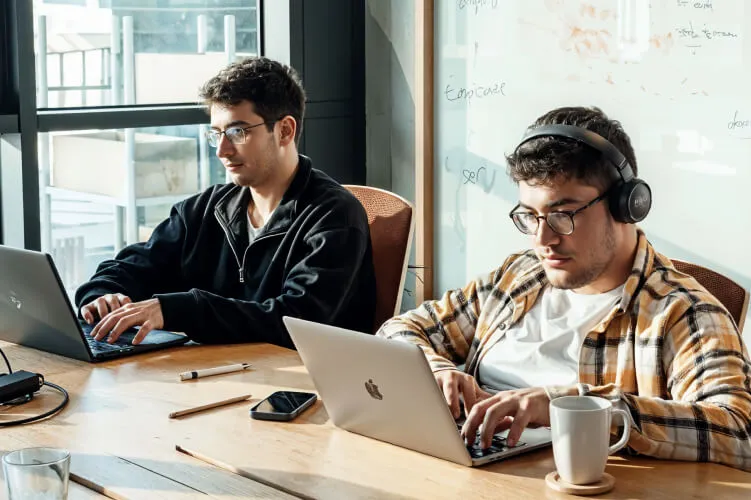
The keyword here is team. But being a team isn’t just about putting a few people in the same room and asking them to make things happen. A team is about thinking together, spotting each other’s blind spots, debating until a decision becomes a shared understanding. It’s about rhythm: when one slows down, another picks up; when one misses a detail, someone else fills it in.
From the outside, product development looks mechanical. In reality, it’s full of emotion: the smile when something finally works, the calm after fixing a bug that had you stuck for days, the pride when a feature you built makes someone’s life tangibly better. That’s why talent or hard work alone isn’t enough. You need people around you who share the same vision, who help you manage the pressure, and who remind you why the orchestration behind the work matters.
.webp)
I’ve always thought about it like sports. You see the players on the field, but behind them stand the coaches, the analysts, the physios, the managers. Everyone looks at the same goal, but each contributes differently. The real orchestration, the glue that holds it all together only shows its value when the game gets tough.
Before the pandemic, that orchestration almost happened by default. We worked side by side, pair programmed on the same screen, grabbed lunch and coffee together, and celebrated after work. Our bonds grew stronger without us even realizing. Then came COVID. The world slowed down, but our industry sped up. More users, more features, more everything. Many thought the formula was simple: more developers = faster product.
But more developers don’t automatically make more teams. In many places, hundreds of people worked on the same product without real orchestration. What emerged were “zombie products”: technically alive, but without soul. The fallout was predictable: unhappy people, broken ties, talent churn. Average tenure for developers in some companies dropped to just 6–9 months.

At Atolye15, we’d always been obsessive about building real teams. That’s why even during the pandemic, our average tenure was 2.3 years. While others struggled to keep people for half a year, we were averaging 27 months. And after the pandemic, things got even better. We had learned not just each other’s technical strengths but also our human needs: when to push harder, when to slow down, when to say “enough.” Even remotely, we stayed on the same page.
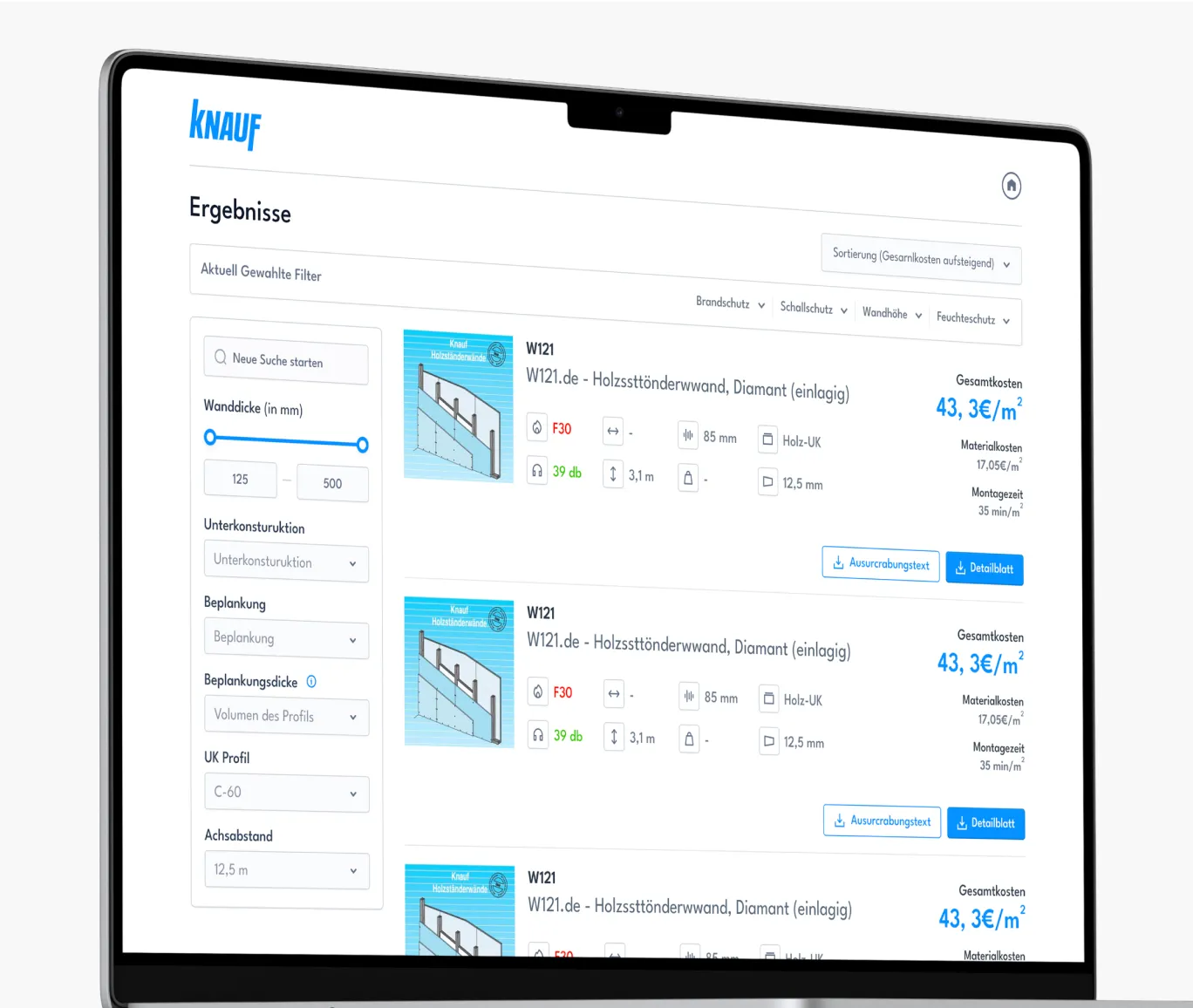
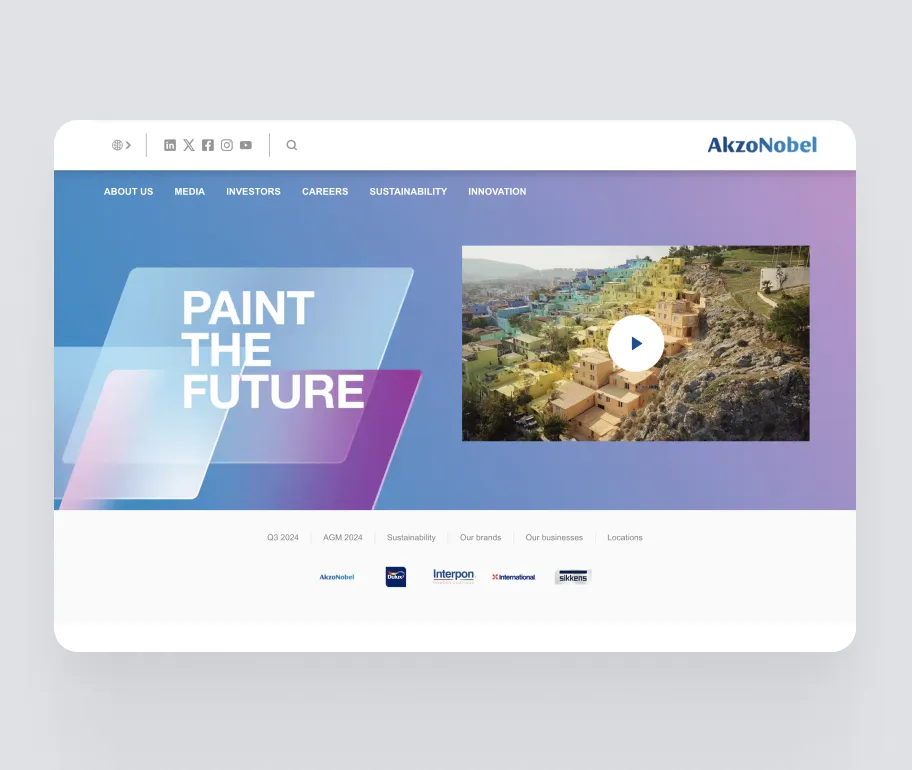
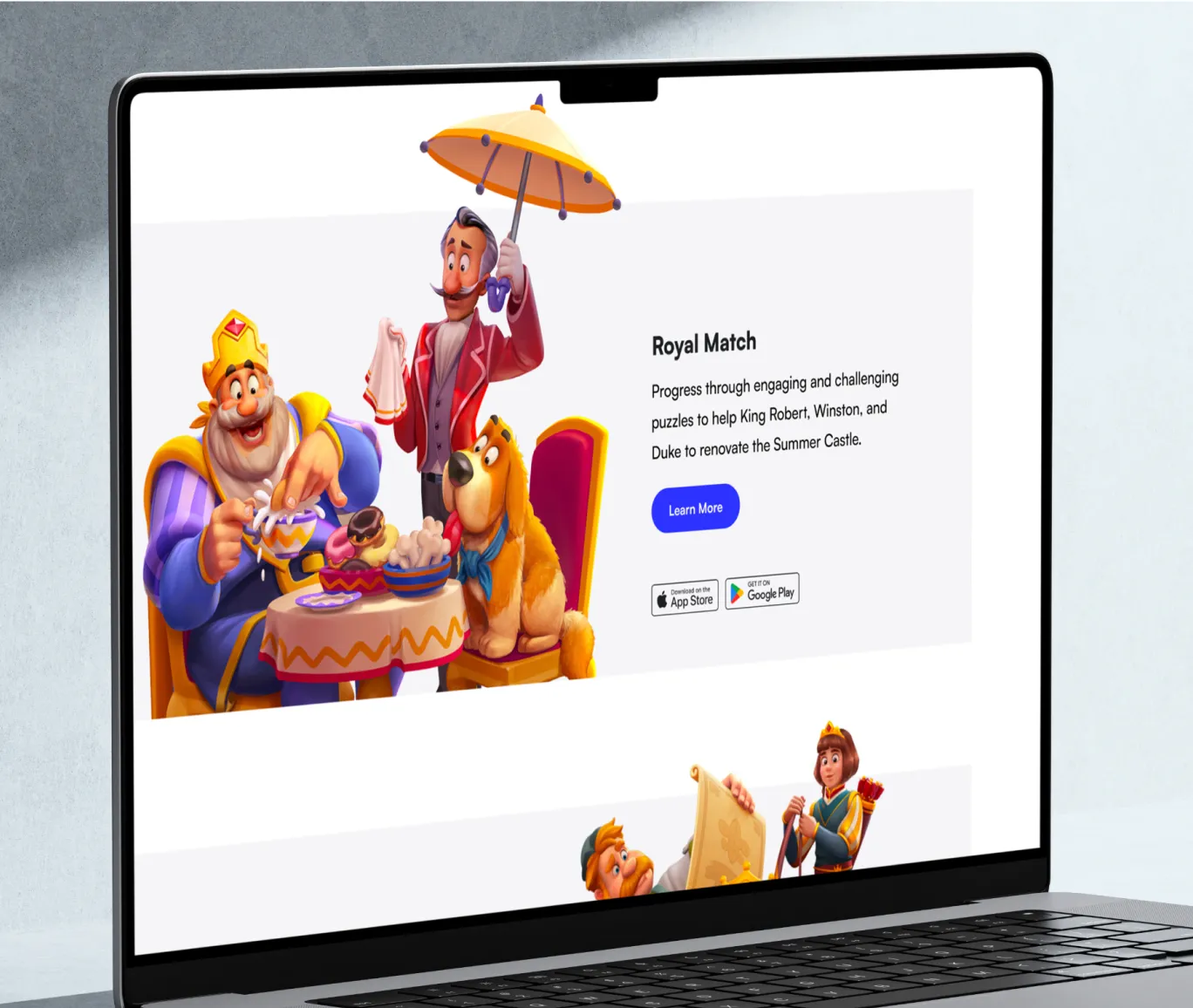
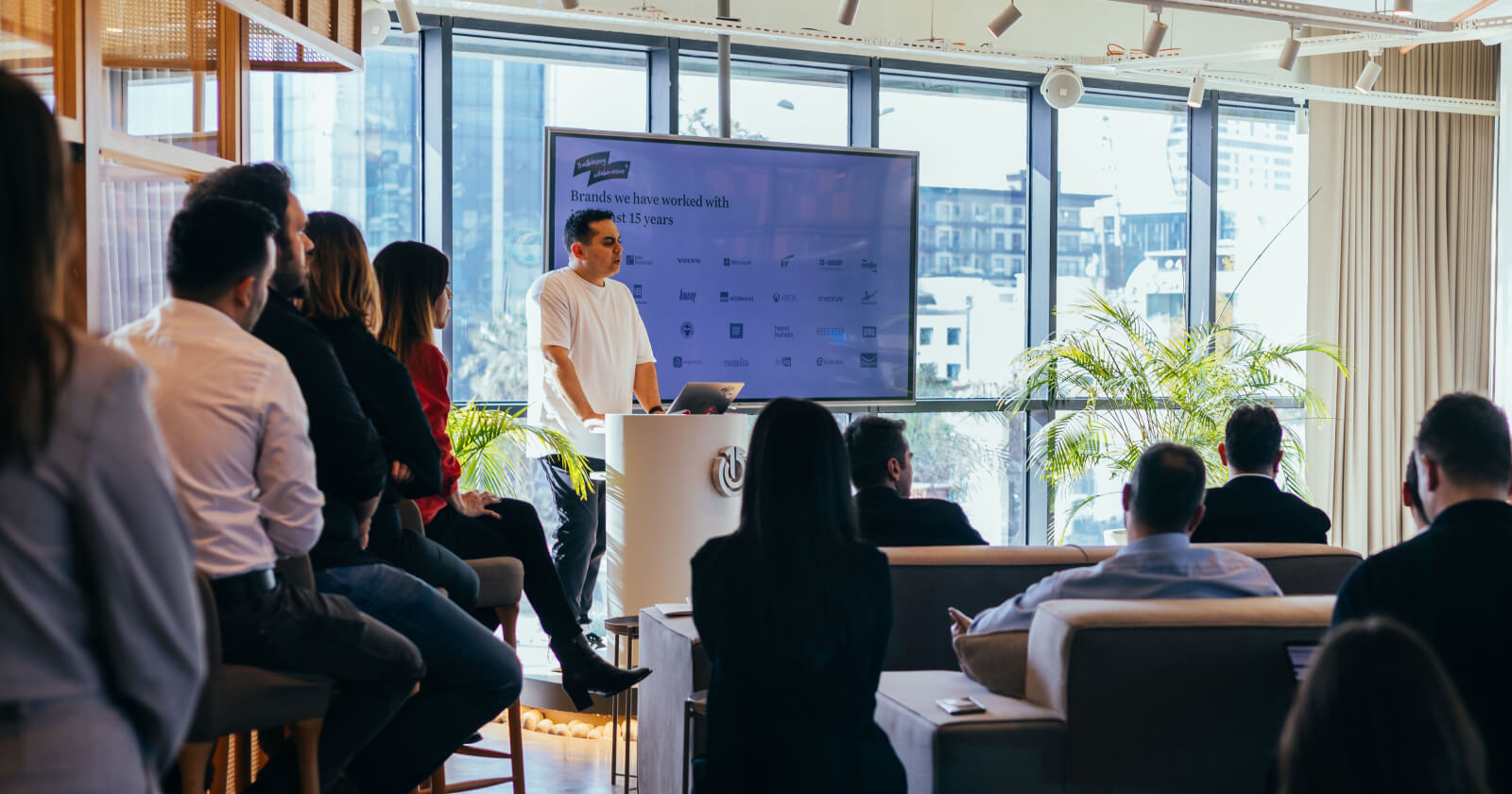
Today, that line keeps trending upward. Our average tenure is now 4.5 years at Atolye15. For us, that’s a huge milestone. Because lasting products come from lasting teams. Our decade-long partnership with Bookyourdata, 8 years with Volvo Cars, and an ongoing 6 years with Heinrich Schmid all stand on the same foundation: teams that learn, grow, and carry the weight together.
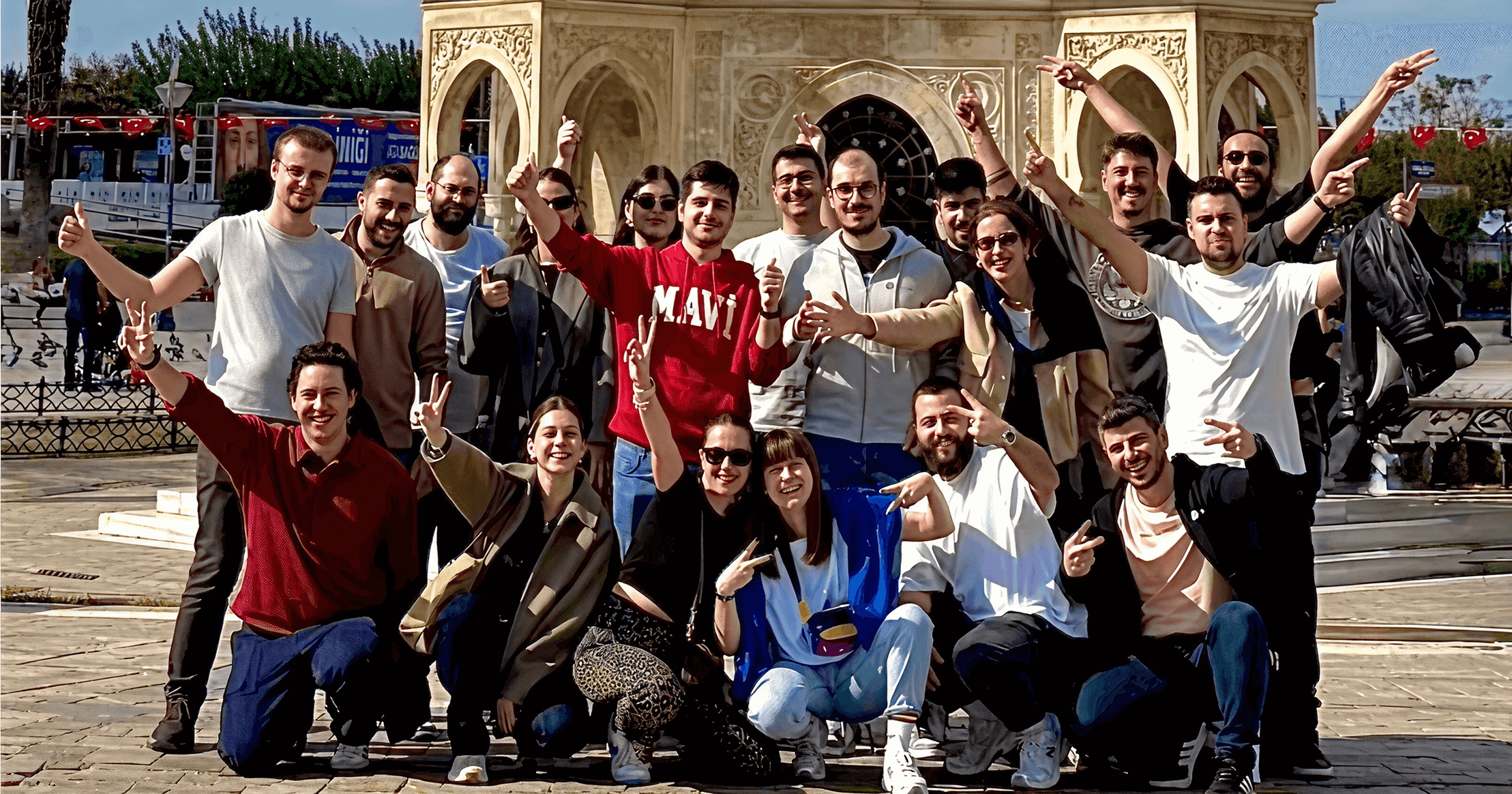
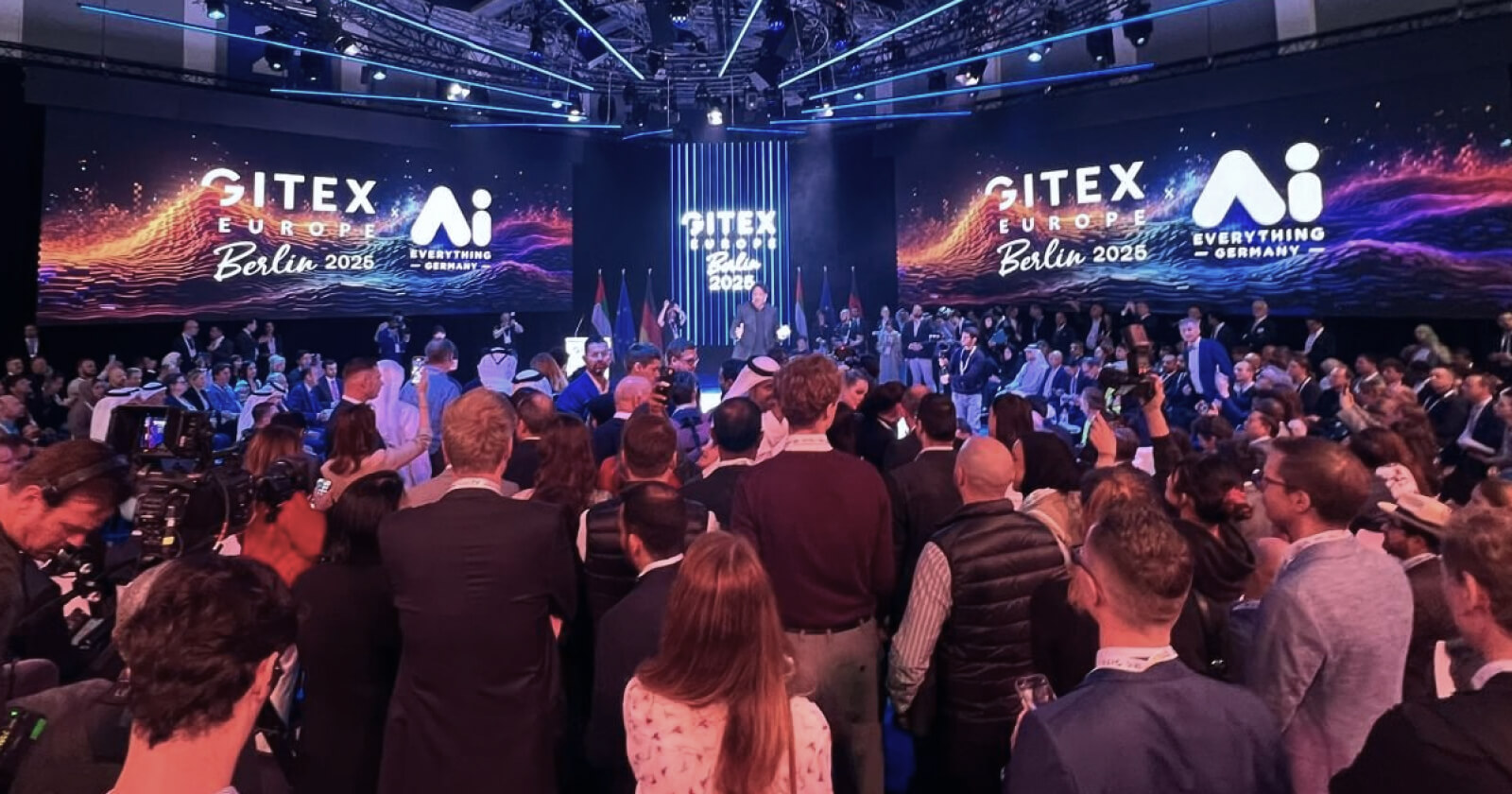
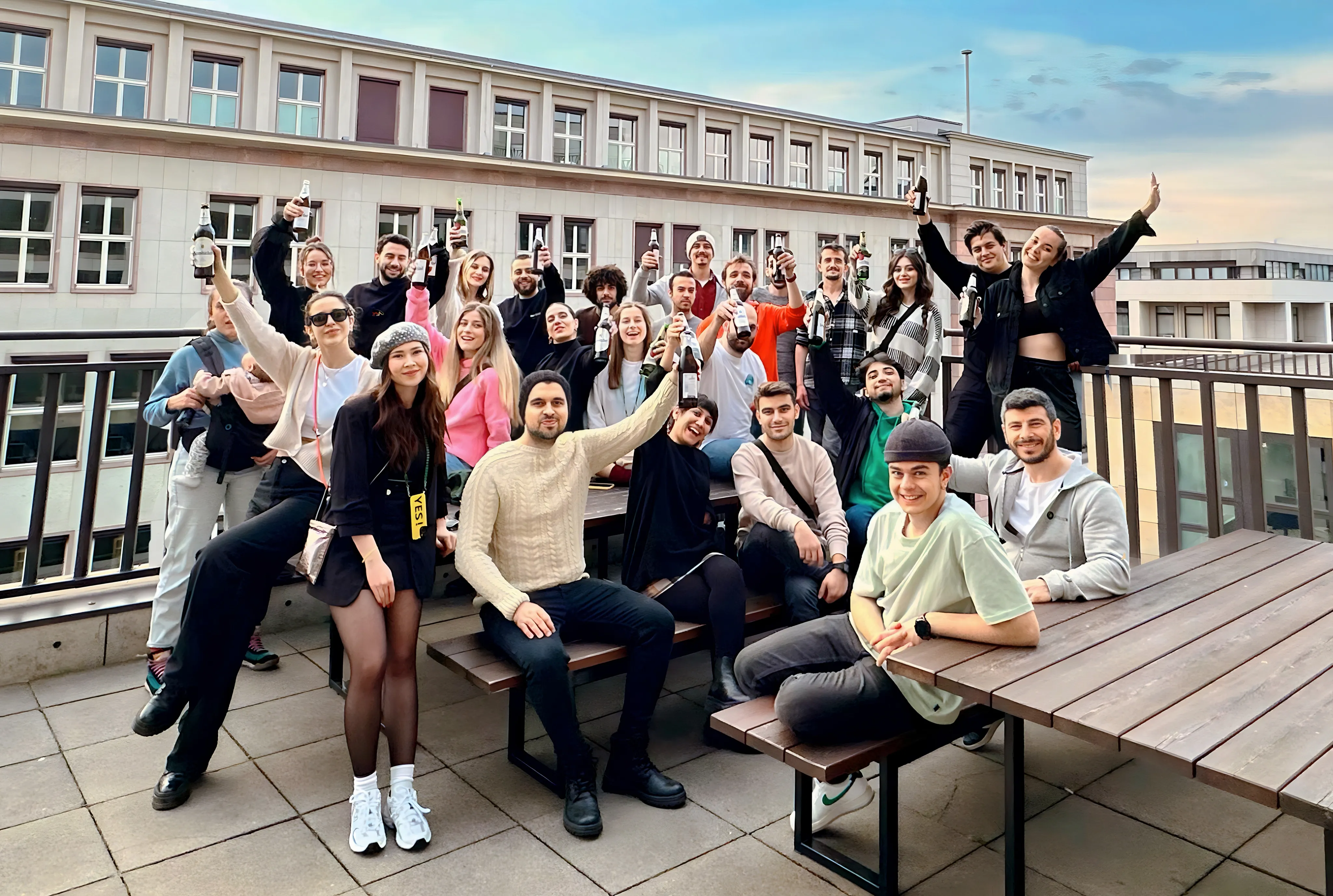
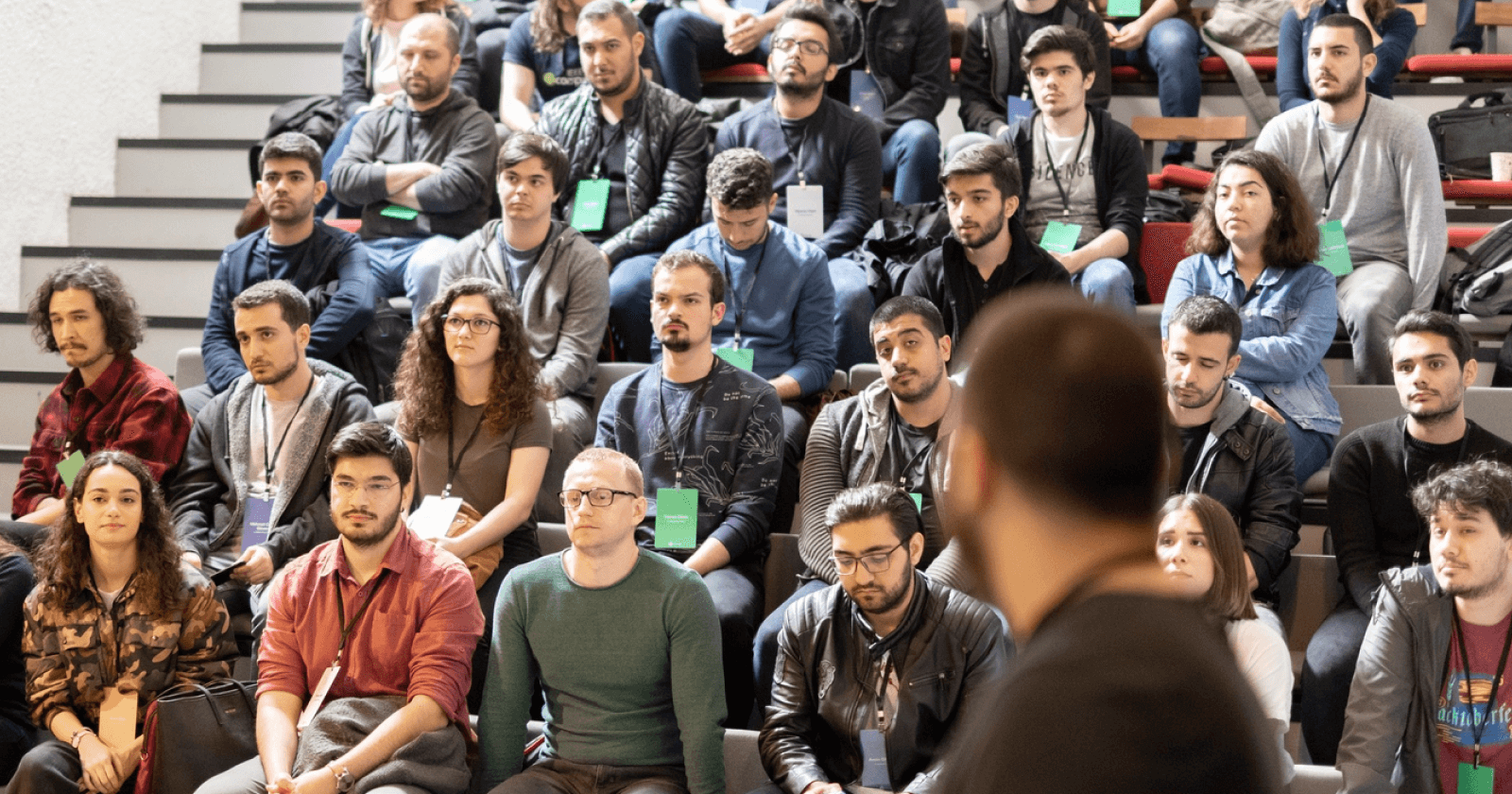
And here’s the thing: this didn’t happen by accident. We worked hard at being a team. We invested in it. We organized so many bonding events when hardly anyone else in our industry did. We spent summers and winters together, went on boat trips, even flew the whole team to Berlin. We threw office parties, celebrated milestones, and created memories outside the work. We also came together for the big moments, like our Big Bang release day when we gathered in the office side by side to ship major features. All of that effort shows up now, in the numbers and in the trust we share every day.
.webp)
Big wins don’t come from short sprints. They come from long seasons, played with the right people by your side. That’s why, in every new project, our goal isn’t just to build features but to build living products, lasting collaborations, carried forward by a team that’s in it for the long run.
In short, the team is our hidden infrastructure. The statistics may say people stay 4.5 years with us, but to us, that’s not just an HR metric. It’s the reason our products thrive. Because the lifespan of the product depends on the strength of the team behind it. When the same orchestra keeps playing together for years, the music never fades.



.jpg)
