




































November 24, 2025
How Next Talent 2 Turned Me Into a Real Product Developer
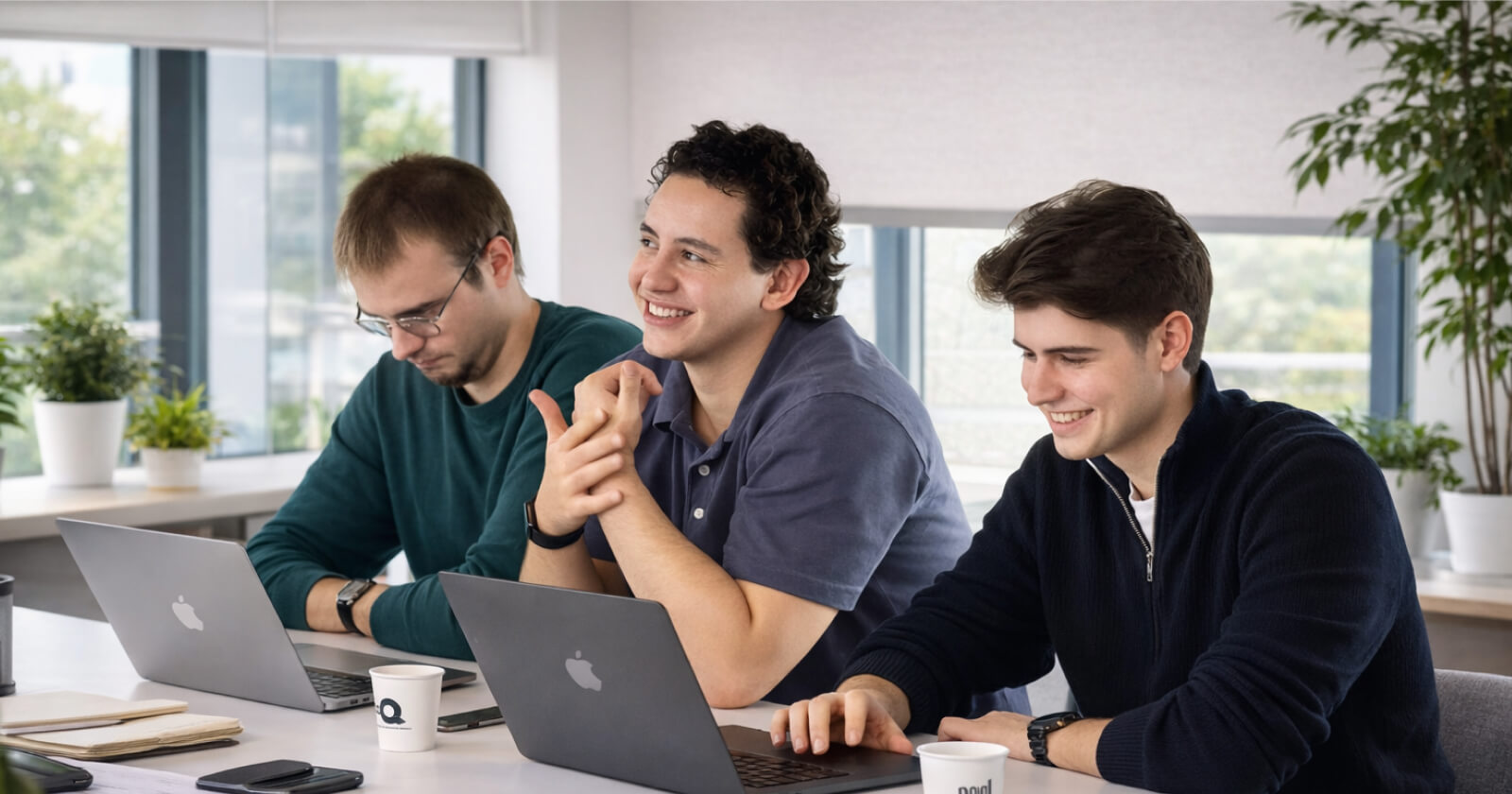
Atolye15’s intensive development program, Next Talent 2, didn’t just teach me how to write better code. It completely reshaped my career path and the way I think about building products. This is the story of how that happened.
As an oceangoing captain with a degree in maritime transportation management engineering, I had vast open seas and a clear career path ahead of me. I spent about 1,5 years of my life physically at sea, between my internships and professional work. However, the sound of the waves wasn't enough to drown out that other voice inside me: the passion to build my own ideas and create technology. To chase my dreams, I made a radical decision and turned the helm toward land, into the world of software.
I had no professional industry experience, I had never seen how a real development team wrote code, and honestly, I felt incomplete. Just as I was feeling this sense of "searching and inadequacy," I came across the Atolye15’s open call for Next Talent 2.
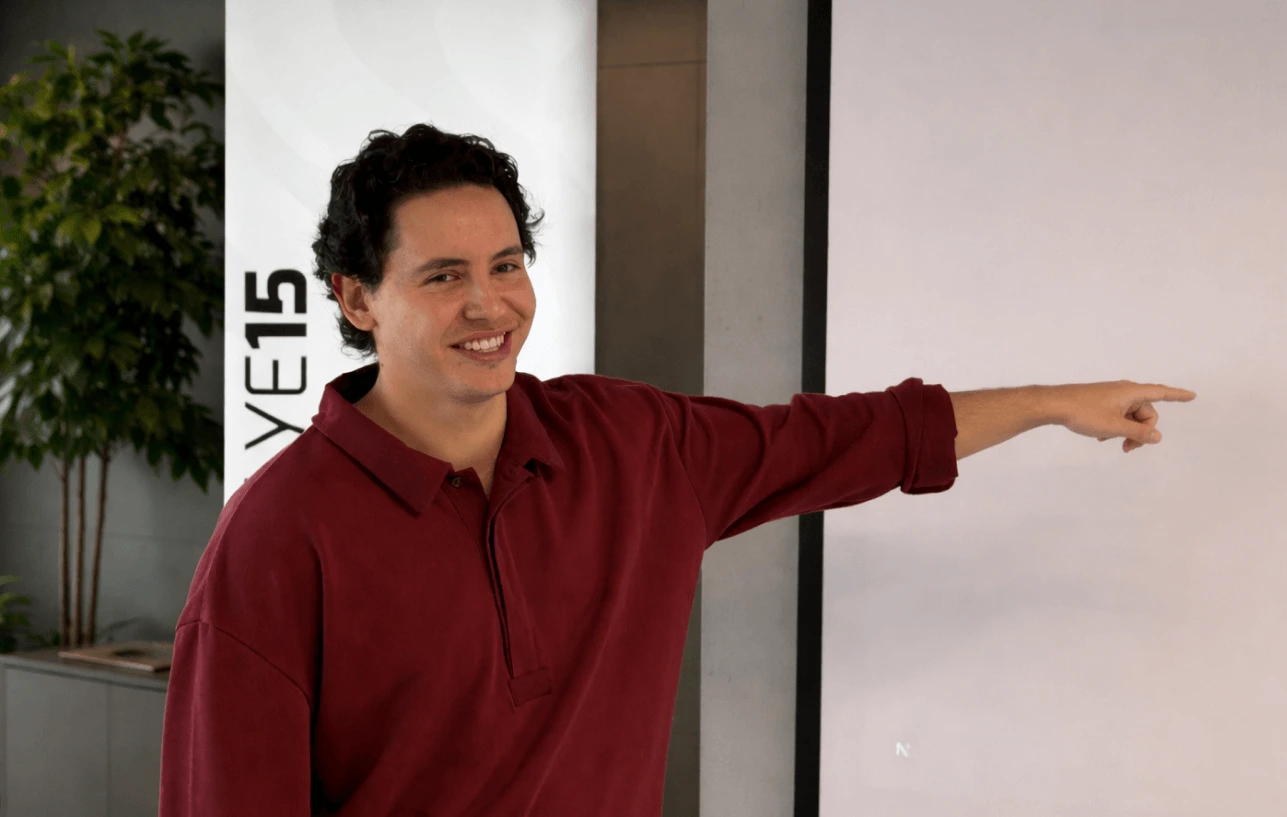
The description wasn't looking for a technical superhero; they were looking for teammates with potential and a hunger to learn. It felt like they were describing me. I applied, and I found myself in this adventure as one of only three people selected from nearly 2,500 applicants.
When I learned I was accepted, I was honestly a bit scared. Since only 3 of us were chosen out of thousands, I thought they would want to extract maximum labor from us, put us under constant pressure, and frankly, "push" us relentlessly.
However, the reality was the exact opposite of what I expected. From day one, Atolye15 gave us a space of freedom as if it were our own company. This was designed as an intensive applied technical training, not a passive learning process.
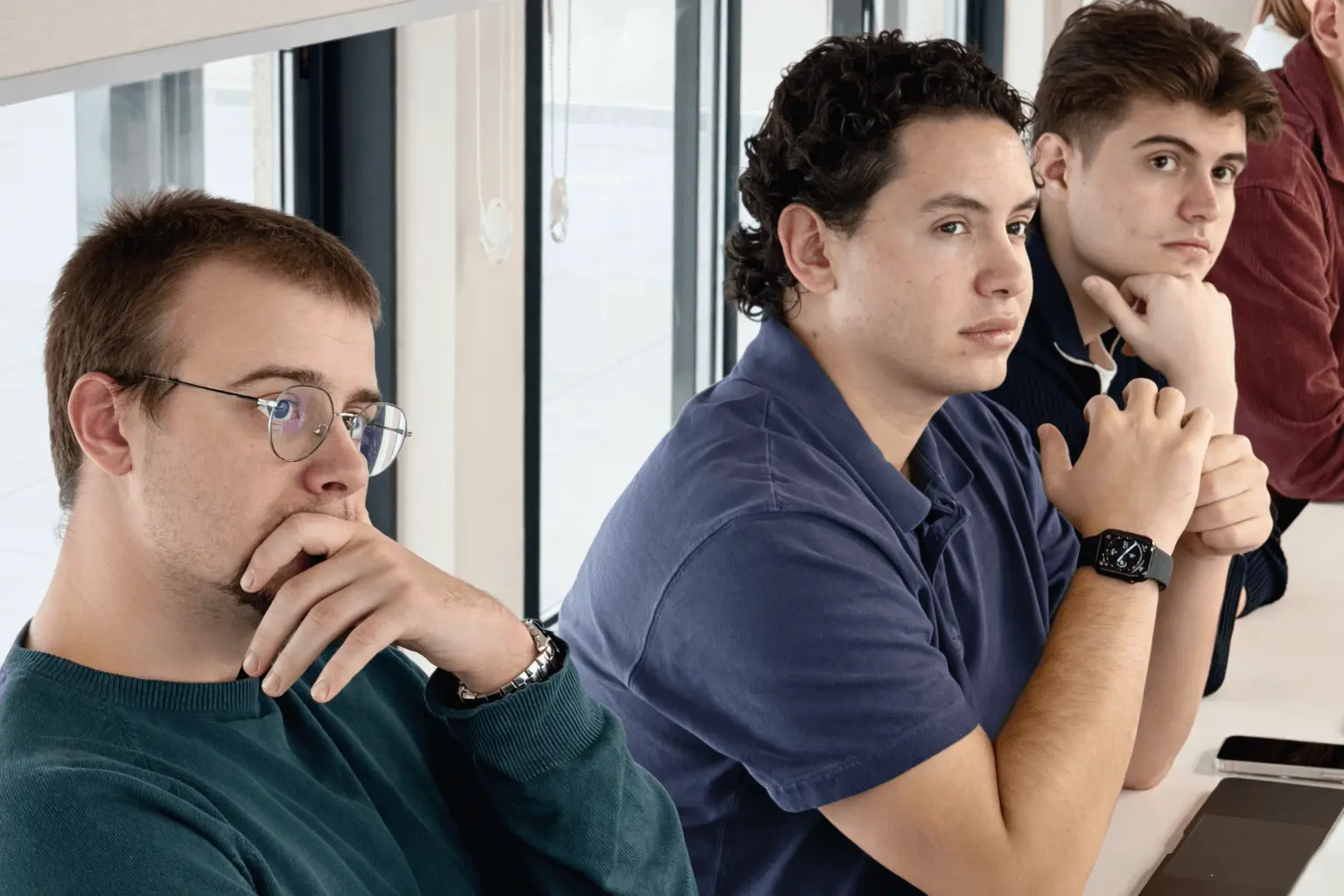
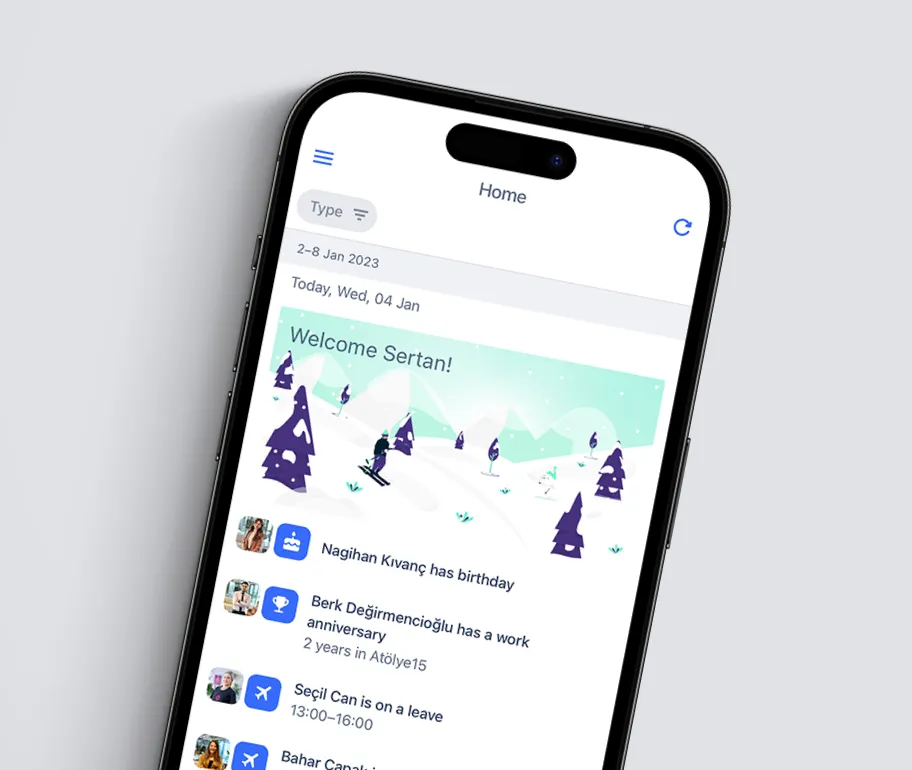
They gave us incredible breathing room to learn new technologies like GraphQL, which was new to me, and to truly digest every piece of code we wrote. But this wasn’t a hypothetical exercise. From the very beginning, the three of us started working on a real internal product that Atolye15 team members would actually use in their day-to-day work.
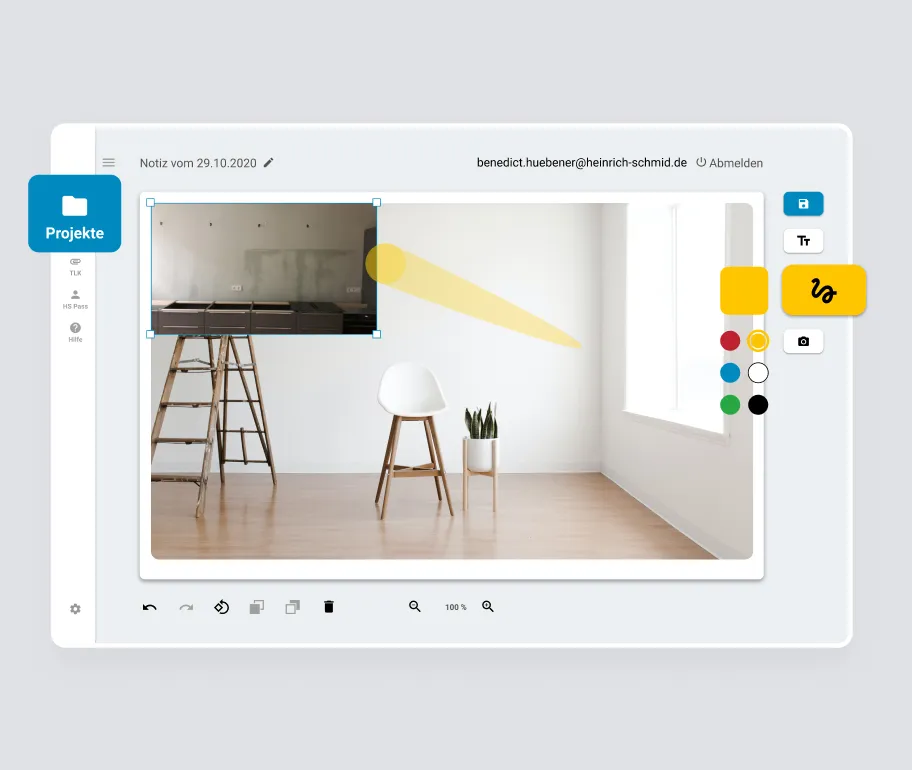
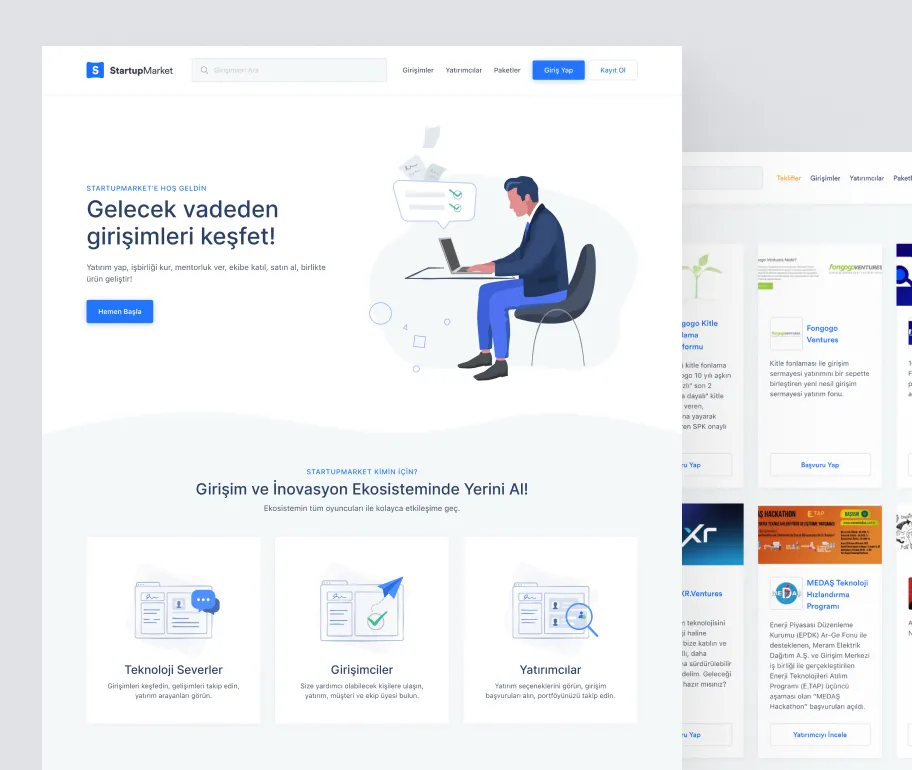
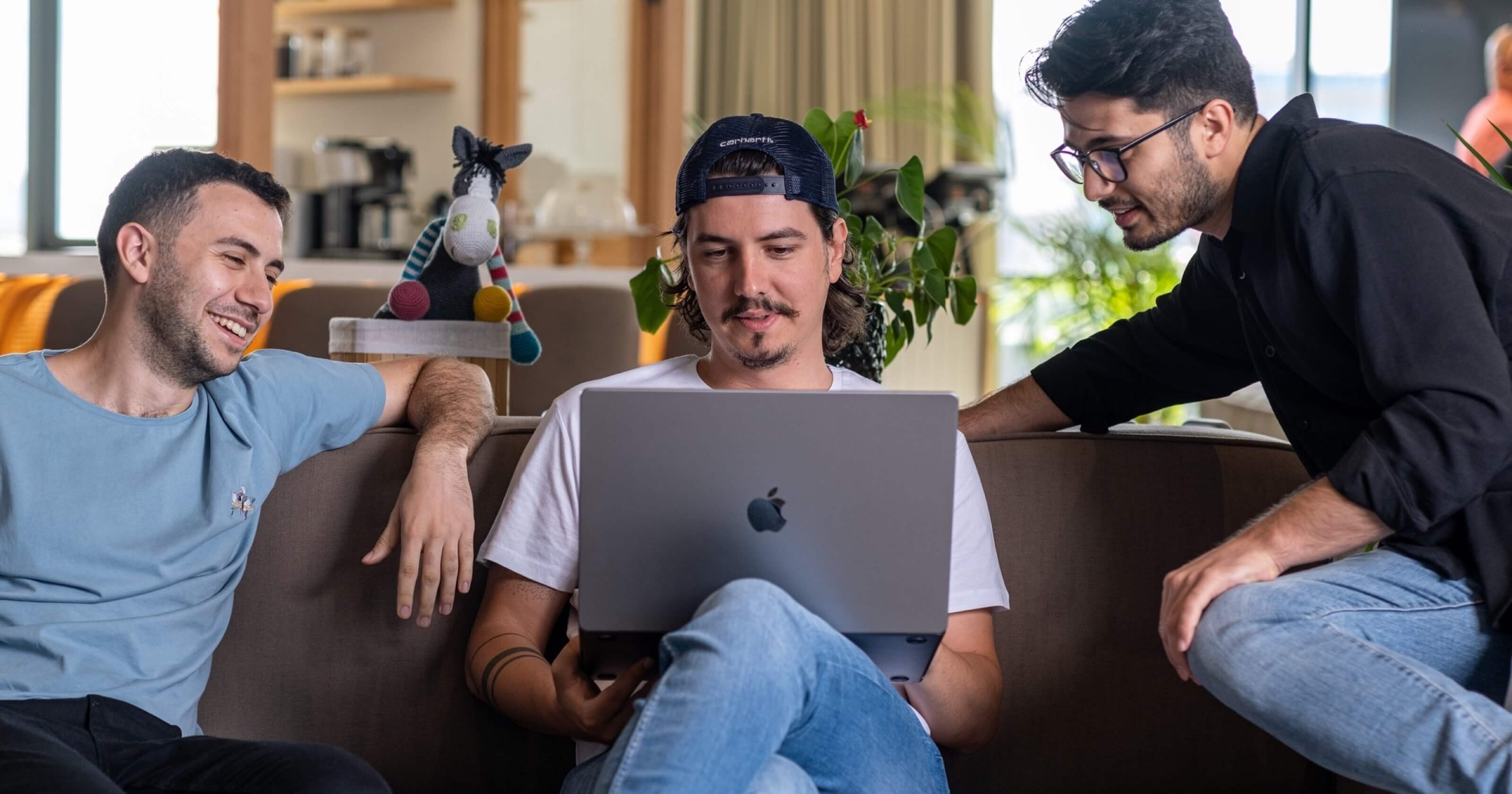
We were building an onboarding tool designed to support the HR team by bringing meetings, schedules, documents, and onboarding flows into a single, more structured and effective system. Knowing that what we were building would directly shape real processes inside the company made the experience feel meaningful and motivating. This environment of trust allowed me and my teammates, Furkan and Alperen, to make joint decisions we genuinely stood behind, with the confidence that our work mattered beyond the program itself.
Of course, there is a part of this story that isn't all sunshine and rainbows: Technical debt and stress. Unlike my teammates, I didn't come from a computer engineering background. As a bootcamp graduate, I was very foreign to the processes of a live project, the culture of reading documentation, and the terminology. I can't describe the stress I felt in the early days when I didn't understand what was being discussed in meetings.
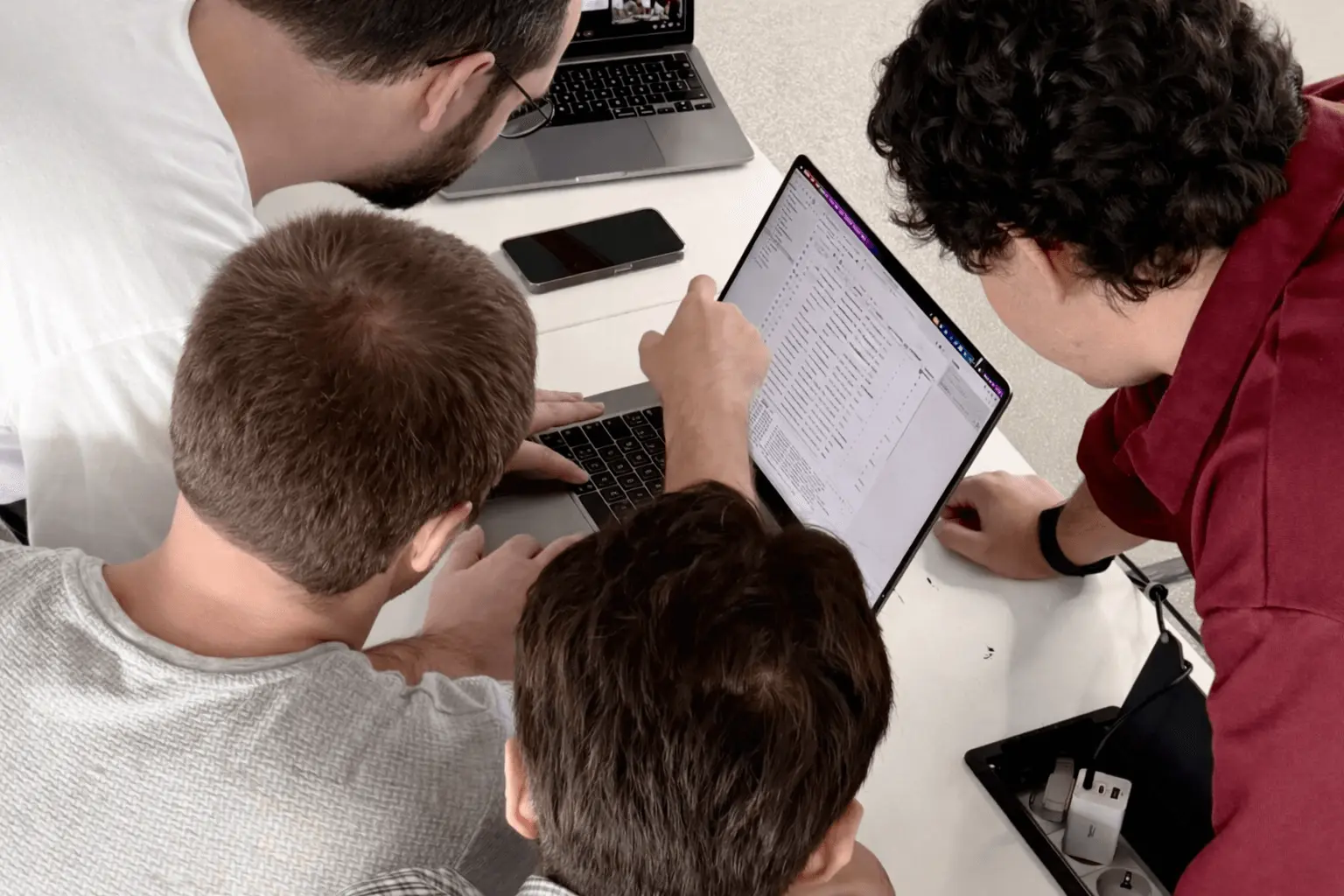
At the end of the first week, I decided to burn the ships. I went to my mentor and laid my cards on the table: "I don't understand what's being explained most of the time, I'm very anxious, and I'm stressed."
The answer my mentor, Erinç Fırtına, gave me changed my entire perspective on this program:
"The fact that you don't know right now is better than knowing. We didn't choose you for this program because you know everything; we chose you so you can learn how to learn and learn from your mistakes."
This sentence was a turning point for me. From that moment on, I stopped being afraid of making mistakes. My teammates also supported me in every way without ever asking, "Why don't you know this?"
If you ask what my biggest technical takeaway was, rather than React or GraphQL, it was understanding the importance of the concept of "Technical Debt." At the beginning of the project, instead of writing code immediately to push out a product, we spent our first three weeks solely on the project's setup and architecture.
At first, this seemed like a waste of time to me, but in the later stages of the project, we reaped the benefits immensely. Our foundation was so solid that building new features on top of it became child's play. I learned by experience the value of taking firm steps rather than rushing in a project.
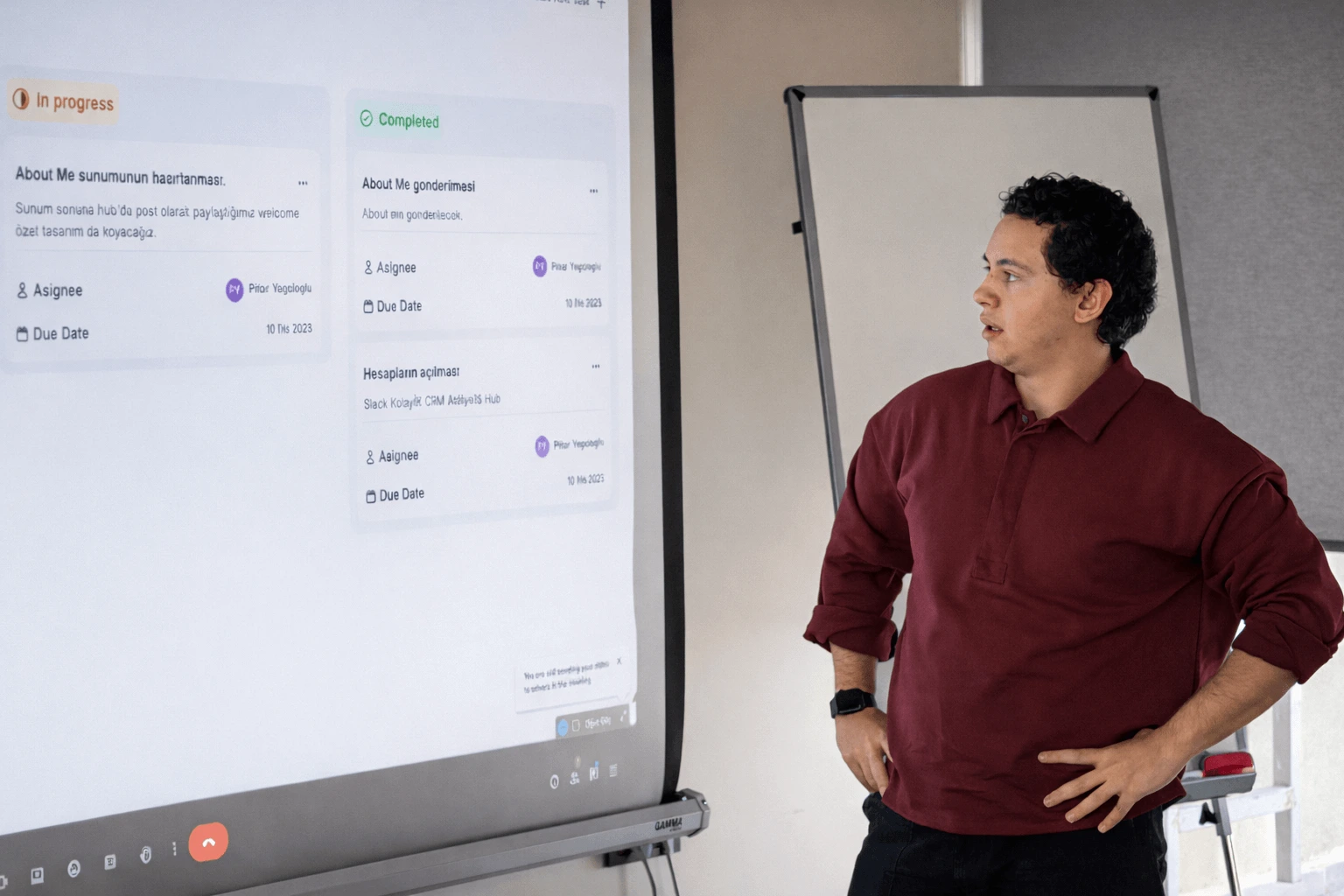
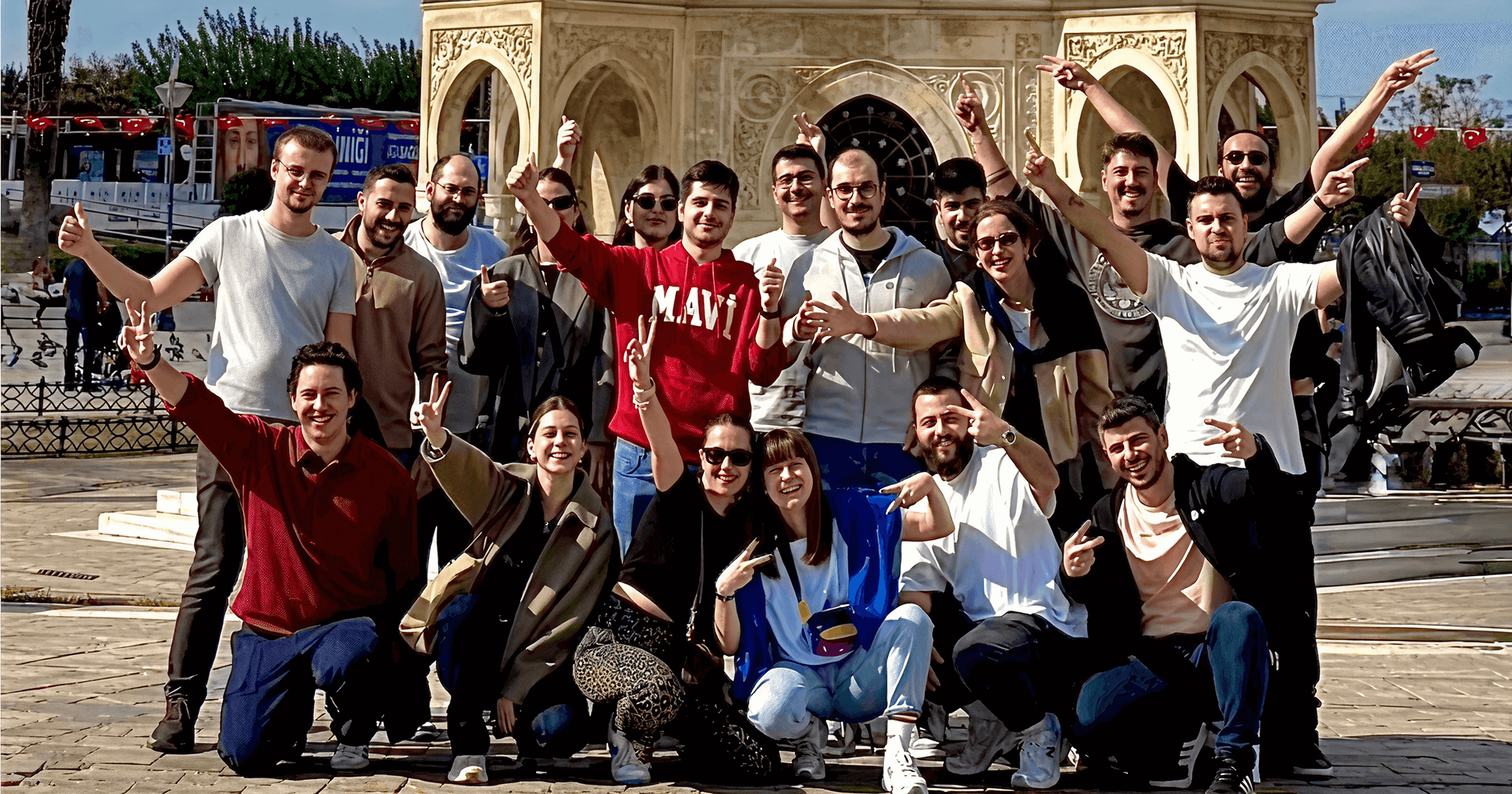
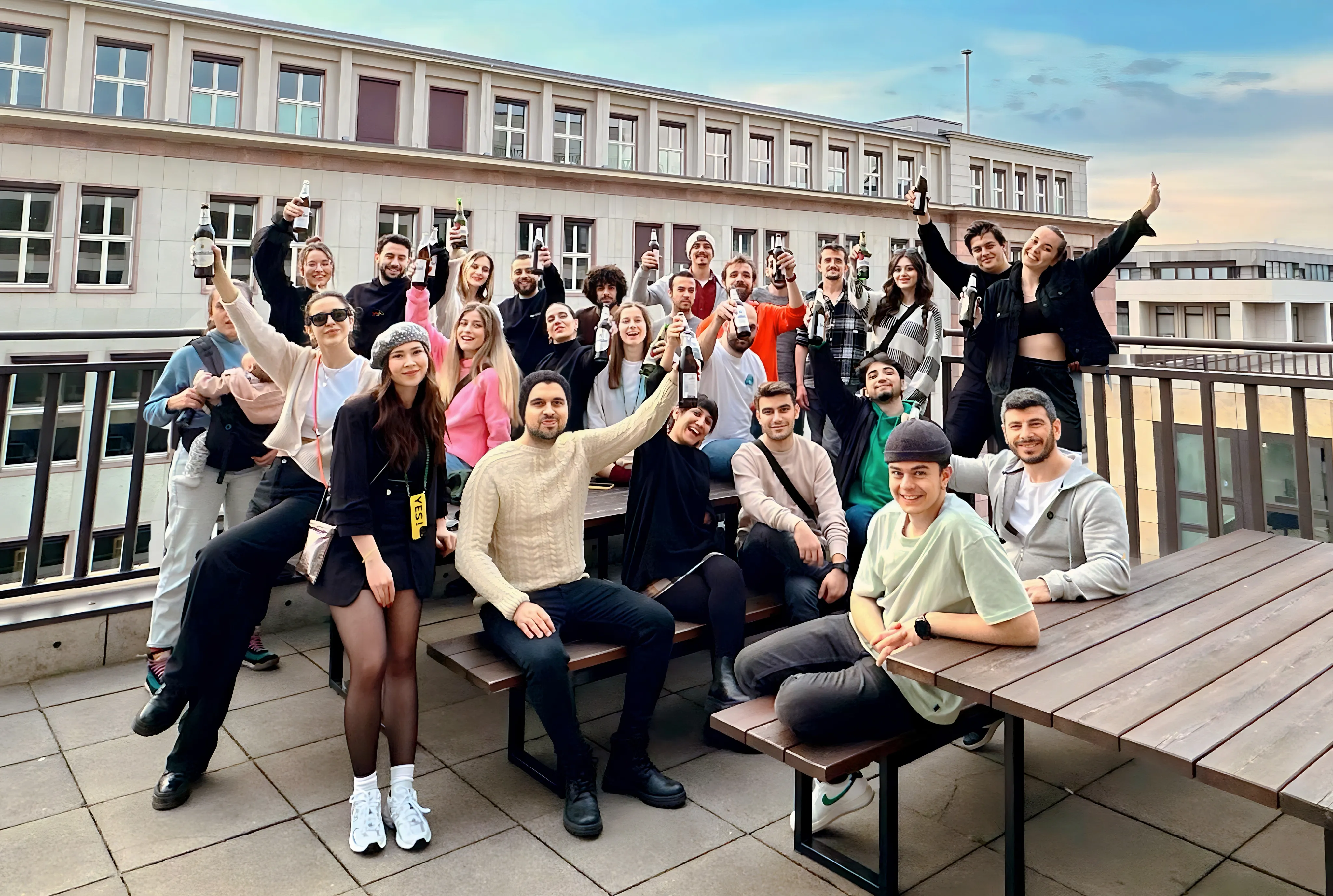
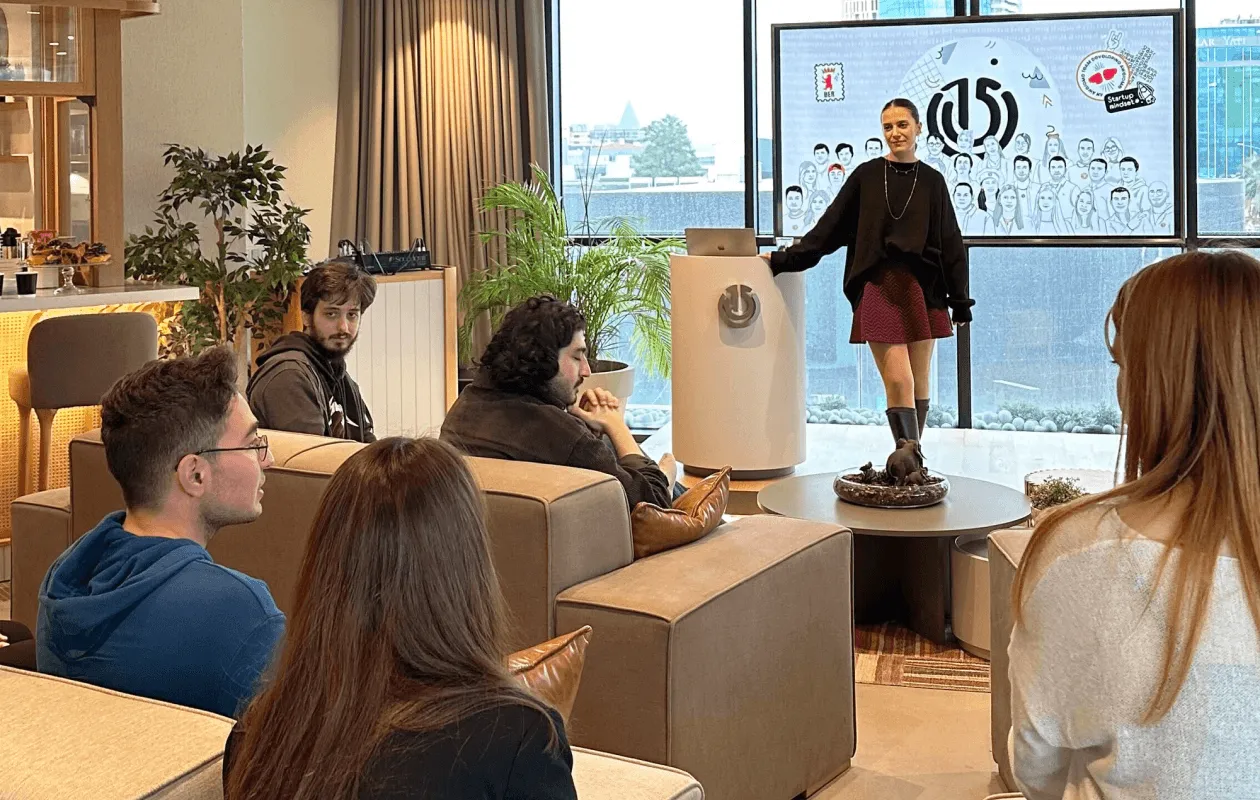
Beyond the technical work, what impressed me most was the company culture. Even though we worked remotely, I never felt distant; no one was judged for asking questions, and there was always someone ready to help. That sense of belonging became even clearer on demo day, when we met the team face to face, presented our product, gathered feedback, and later celebrated together over dinner, a moment that showed me this was more than just a program.
As I complete the Next Talent 2 program, I leave with something far more valuable than technical knowledge in my pocket: Vision. Technologies, languages, and frameworks change constantly; but "knowing how to learn" and the vision of being part of a product are permanent. I have now combined the disciplined captain from the sea with the principles of the modern software world.
If you are considering applying for Atolye15's upcoming Next Talent programs, my only advice to you is this: Don't let your technical gaps scare you. If you have an appetite for learning and the courage to ask the right questions, you are in the right place.